 By
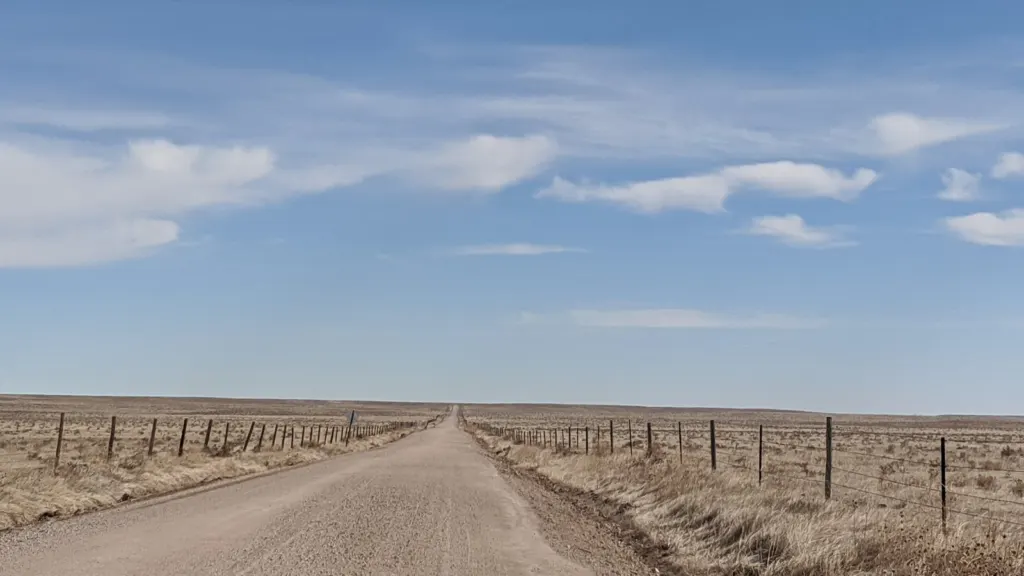
The Pawnee National Grassland from County Road 116 in Weld County. Photo: Jamesmartin111, CC0, via Wikimedia Commons.
The U.S. Department of Agriculture has proposed the first comprehensive rewrite in nearly 50 years of the rules for grazing cattle and sheep on national forests and grasslands, and ranchers who run livestock on the Pawnee National Grassland or the Medicine Bow have until Dec. 14 to comment.
The proposed rule, titled “Rangeland Management,” was published in the Federal Register on Nov. 12. It rewrites the Forest Service regulations that govern grazing permits, which the agency says have not been comprehensively revised since 1977. Those permits cover about 96 million acres of allotments.
The grazing fee formula itself does not change. Most of the rule is about who can hold a permit, how much flexibility permittees get in bad years, and one new charge.
A surcharge on leased cattle
The change most likely to draw comment is a surcharge on livestock that a permittee leases from someone else and runs on a federal allotment. The Forest Service’s current fee rules do not address that arrangement. The proposal borrows a concept the Bureau of Land Management has used for years, and the agency says the charge would recover its added administrative costs and “capture a portion of the larger profit associated with pasturing livestock.”
Leasing would still be allowed. The surcharge would not apply to documented mentees, beginning ranchers, permittee successors, family members or operators getting relief because of drought, fire or other natural causes.
More room for drought, fire and succession
Other pieces of the rule would:
- Codify a drought and wildfire framework. The Forest Service says its response to drought and fire has been ad hoc. The rule sets criteria and documentation for temporary changes, and lets managers allow grazing up to 21 days before a permit’s start date or up to 21 days past its end date, to reduce fine fuels or adjust for water and forage.
- Accept leased base property and livestock. Current rules lean on outright ownership. The proposal says “owned or leased” property and livestock qualify, and adds exceptions for succession and mentor arrangements that newer ranchers use to get started.
- Replace the permit caps. Instead of fixed upper limits, managers could deny applications that would either pile too many permits onto one family or split allotments into pieces too small to manage, based on local conditions.
- Allow stewardship grazing. Projects such as outcome-based or targeted grazing could run under temporary or livestock-use permits.
- Consolidate fee-setting for national forests in 16 Western states and the national grasslands into a single section, without changing the formula.
The rule would apply across the Arapaho and Roosevelt National Forests and the Pawnee National Grassland in Northern Colorado, the Medicine Bow-Routt in southeast Wyoming and the Thunder Basin National Grassland farther north. The grasslands, which grew out of homesteads bought back by the federal government in the Dust Bowl years, have fee rules that are now split across two sections of the regulations, which the consolidation would combine.
The Fence Post’s coverage carried statements on the proposal from Agriculture Secretary Brooke Rollins and Interior Secretary Doug Burgum, whose department oversees the BLM. The Federal Register notice says several elements are meant to line up with the BLM’s own grazing rulemaking.
How to comment
Comments are due Dec. 14 through regulations.gov; search for RIN 0596-AD75. Mailed comments go to the Director, Natural Resources, National Forest System, 201 14th Street SW, Mailstop 1108, Washington, DC 20250-1124, and must be postmarked by the deadline. The agency asks commenters to cite the section and wording they want changed.
Colorado ranchers will also be dealing with a new face in Denver: Colorado’s incoming governor, Phil Weiser, has picked Cleave Simpson as agriculture commissioner. For what a working year looks like on a high-country operation, see our story on a North Park cattle ranch, and find more in Ranch & Range.
Add Read the West as a preferred source on Google (opens in a new tab)