 By
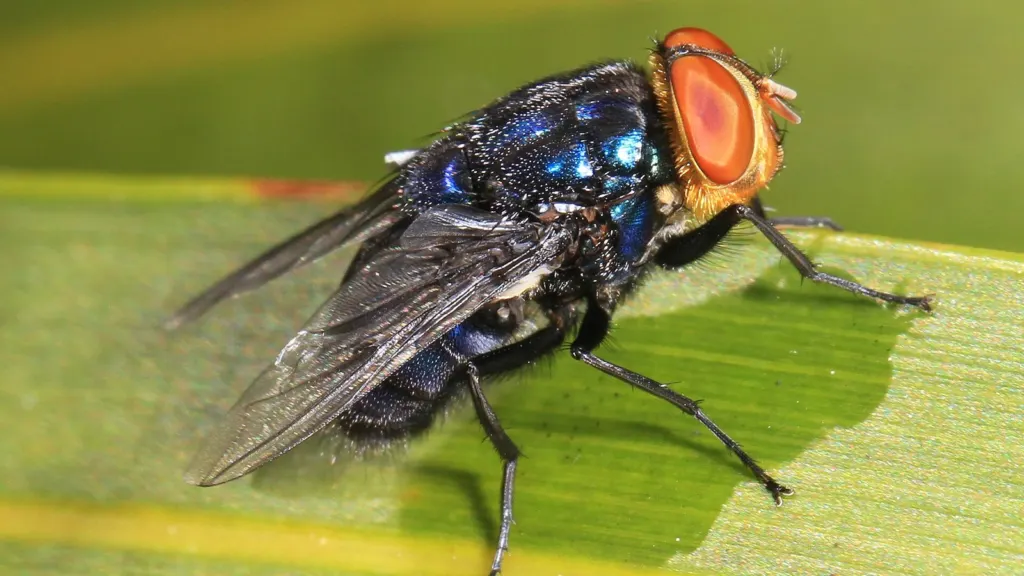
An adult New World screwworm fly, photographed in Florida in 2017. Photo: Judy Gallagher, CC BY 2.0, via Wikimedia Commons.
For more than a year, ranchers in Arizona and New Mexico watched New World screwworm work its way north through Mexico and into Texas and hoped the border states farther west would be spared for a while. That ended last week.
On Oct. 28, USDA’s Animal and Plant Health Inspection Service confirmed the parasite in a dog in Cochise County, the first detection ever recorded in Arizona. The same day, officials confirmed cases in a dog in Doña Ana County, New Mexico, and a cat in Grant County, New Mexico. By the end of the week, USDA had added three more cattle cases: two in Doña Ana and Luna counties in New Mexico and one in Hudspeth County in far West Texas.
This week, Arizona agriculture officials confirmed a second Cochise County case, this one in a horse.
Farm Progress put the national count at 74 confirmed U.S. cases as of Nov. 2, with 21 still active.
How the Arizona case was found
According to the Arizona Department of Agriculture, a local veterinarian examined the dog on the evening of Oct. 26 and “identified a wound on the canine’s back heavily infested with maggots consistent with New World screwworm characteristics.” Samples went to APHIS’s National Veterinary Services Laboratories in Ames, Iowa, which confirmed the species. The dog is under veterinary care, and state officials are working with the owner and the vet to trace where the infestation may have come from.
Screwworm flies lay eggs in open wounds or in the nostrils, eyes or other openings of warm-blooded animals. Unlike ordinary blowfly maggots, screwworm larvae feed only on living tissue. Left untreated, an infestation can kill an animal, which is why the pest was such a costly problem for Southwest cattle country before it was eradicated from the U.S. decades ago.
Movement controls and sterile flies
The response follows USDA’s screwworm playbook. Officials set a 20-kilometer infested zone, about 12.4 miles, around each detection, with restrictions on moving live animals in and out. They’ve stepped up surveillance and trapping, and they’re reaching out directly to producers and veterinarians in the area.
The main weapon is sterile flies. Male flies sterilized with radiation are released in huge numbers so wild females mate with them and lay eggs that never hatch. Roughly a million sterile flies have already been dropped over Cochise County, according to Farm Progress.
Arizona is also getting its own distribution site. In July, USDA committed $25 million to a sterile fly dispersal facility in Douglas, on the border in Cochise County. It wouldn’t produce flies; it would take flies raised in Edinburg, Texas, and send them out across Arizona, New Mexico, California and parts of northern Mexico. Farm Progress reported the project is moving forward.
Research on resistance
Texas A&M’s College of Veterinary Medicine and Texas A&M AgriLife have landed about $4 million through USDA’s New World Screwworm Grand Challenge. Over two years, researchers plan to sequence the full genome of thousands of screwworms collected during the outbreak, tagging each sample with where and when it was found, what animal it came from and how it was treated. Geneticist Brian Davis called it “by far the largest genetic study of screwworms ever.”
One question they want to answer is whether flies in this outbreak carry the drug-resistance markers already seen in South America.
What ranchers should watch for
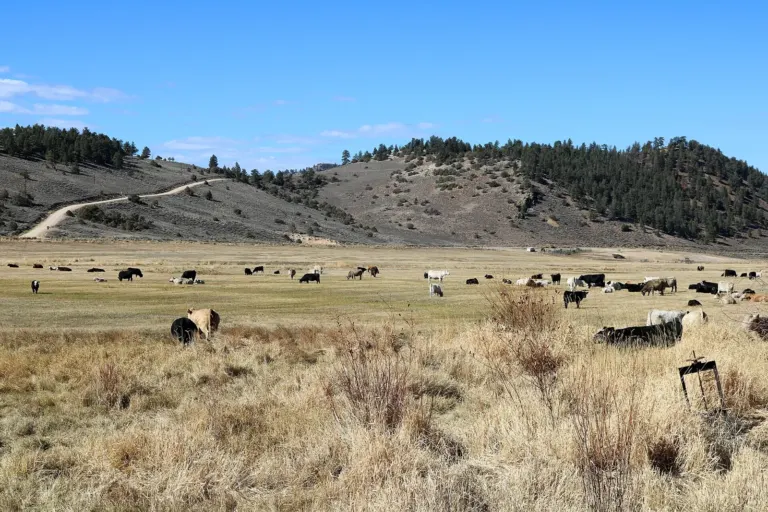
State and federal officials are asking anyone with livestock, horses or pets in the region to check animals every day for draining or growing wounds, maggots or egg masses in wounds, signs of discomfort or irritability, and lesions around the ears, nose, genitals and navel. Fresh brands, ear tags, castration sites and newborn navels are the usual targets.
Suspected cases in domestic animals in Arizona go to the state agriculture department at diseasereporting@azda.gov or to a local vet. Arizona Game and Fish wants hunters to check harvested game, too, and to call 623-236-7201 about any suspect wildlife without moving the animal. A hunter in Texas helped find the first U.S. wildlife case, in an elk.
Cochise County and federal officials have scheduled a public meeting on screwworm for Wednesday, Nov. 4, at 5 p.m. in Sierra Vista. USDA posts every confirmed detection on its dashboard at screwworm.gov, updated daily.