 By
Photo: Jeffrey Beall / Wikimedia Commons, CC BY 4.0
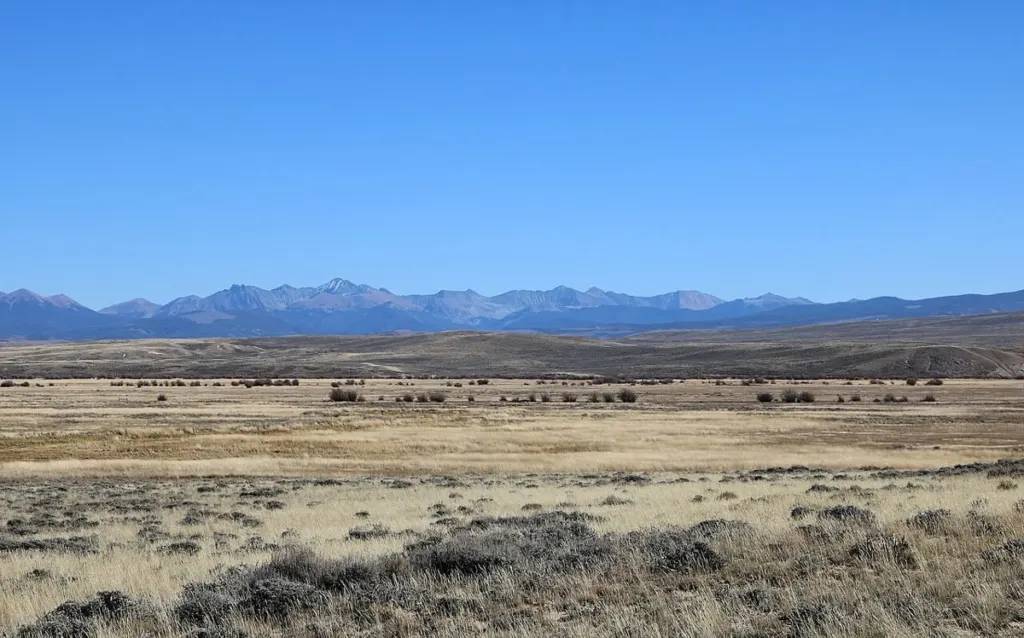
North Park is a high, mountain-ringed basin in Jackson County, Colorado, at the headwaters of the North Platte River. Walden, the county seat, sits a little above 8,000 feet. The basin’s native-grass meadows have been flood-irrigated for hay since the late 1800s, and cattle ranching is still the backbone of the county’s economy. The calendar on a ranch here is set by the altitude: a frost-free season measured in weeks, not months, and a winter that can hold snow on the meadows into May.
Late winter: feeding and calving
From December into spring, cattle in North Park are fed hay every day, usually put up on the same ranch the summer before. Many high-country outfits calve later than ranches on the plains, often from March into May, so that calves arrive closer to green grass and milder nights. Calving season means night checks, warming boxes for chilled calves and a lot of time in the barn.
Spring: branding and turnout
Branding, vaccinations and working calves usually happen in late spring, often as a neighborhood event where several families trade labor. Colorado requires livestock brands to be recorded with the state, and the Colorado Department of Agriculture’s Brand Inspection Division inspects cattle when they change hands or leave the area. When the grass comes on, cow-calf pairs move to summer pasture, which for many ranches includes grazing allotments on surrounding U.S. Forest Service or Bureau of Land Management land.
Summer: water and hay
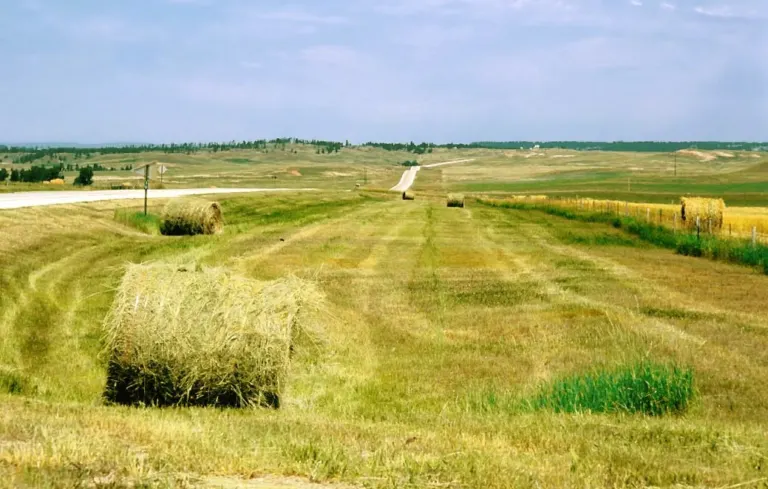
The meadows are irrigated through a web of ditches fed by the North Platte and its tributaries, under water rights that in many cases date back more than a century. Haying generally starts in July, once the meadows are dried out enough to run equipment, and continues into August. Whatever is put up has to carry the herd through the next winter, so a short or dry summer is felt for a full year.
Fall: shipping
When the cattle come down from summer pasture, calves are weaned and sorted. Shipping day, usually in October, is when most of a cow-calf ranch’s annual income arrives at once, whether the calves go to a sale barn, a video auction or directly to a buyer. The price on that day depends on markets far from Jackson County, which is why ranchers watch the USDA market reports closely all summer.
Winter again
Then the cycle starts over: bred cows on hay, equipment repair in the shop, and a close eye on the forecast. For the costs side of the same story, see our guide to reading the USDA hay reports.
Sources
- Colorado State University Extension, Jackson County office.
- Colorado Department of Agriculture, Brand Inspection Division.
- USDA Agricultural Marketing Service, Market News.
- U.S. Census Bureau, Jackson County, Colorado.