 By
Photo: Acroterion / Wikimedia Commons, CC BY-SA 4.0
Few figures of the Old West are as well known, or as poorly documented, as Calamity Jane. Martha Jane Cannary spent a large part of her adult life in Wyoming, at Army posts, railroad towns and mining camps. Much of what is told about her comes from dime novels, newspaper gossip and her own short autobiography. Historians have spent decades sorting the record from the legend.
What the records show
She was born in Missouri, probably in the mid-1850s, though accounts of the year vary. Her family moved west in the 1860s, first to the Montana mining country and then to Utah, and she was orphaned young. By the late 1860s and 1870s she was living around Wyoming’s forts and Union Pacific towns, including Fort Laramie, Cheyenne and Rawlins, working at whatever jobs a young woman on her own could find.
In 1875 she traveled with the government expedition that surveyed the Black Hills, and in 1876 she arrived in Deadwood, in present-day South Dakota, around the time Wild Bill Hickok did. Wyoming and Dakota newspapers of the period mention her often, usually for her drinking, her men’s clothing and her scrapes with local authorities.
What she claimed
In 1896 she published a short pamphlet, Life and Adventures of Calamity Jane, by Herself, which she sold while touring with a dime museum show. In it she said she had served as an Army scout under Custer and others, and that she had been close to Hickok. Historians have found little or no evidence for the scouting claims. A later claim that she had married Hickok and had a daughter with him rests on documents most scholars consider unreliable.
How the legend was built
The legend grew mostly in print. Edward L. Wheeler’s Deadwood Dick dime novels, starting in 1877, made a character named Calamity Jane a hard-riding heroine, and readers back East took the fiction as biography. Later films, from The Plainsman (1936) to the musical Calamity Jane (1953), polished the myth further.
The end
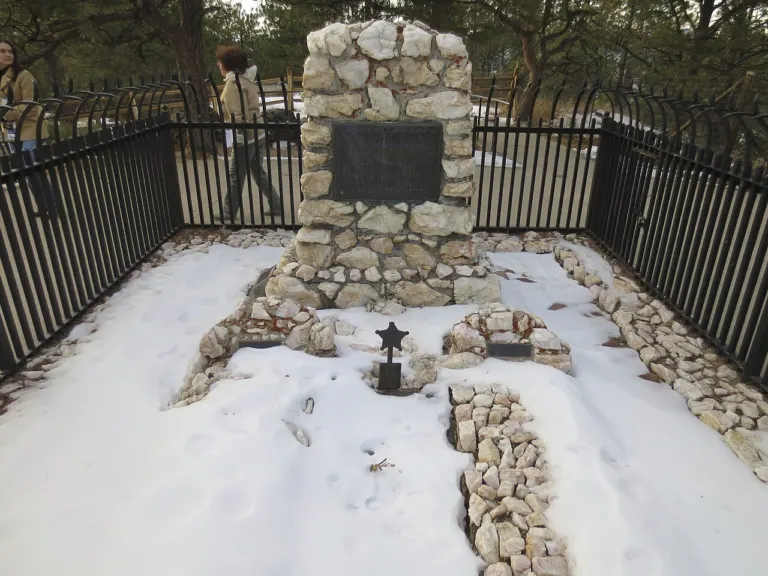
She died on August 1, 1903, near Deadwood, and was buried in Mount Moriah Cemetery next to Hickok, as she had reportedly asked.
Where to learn more
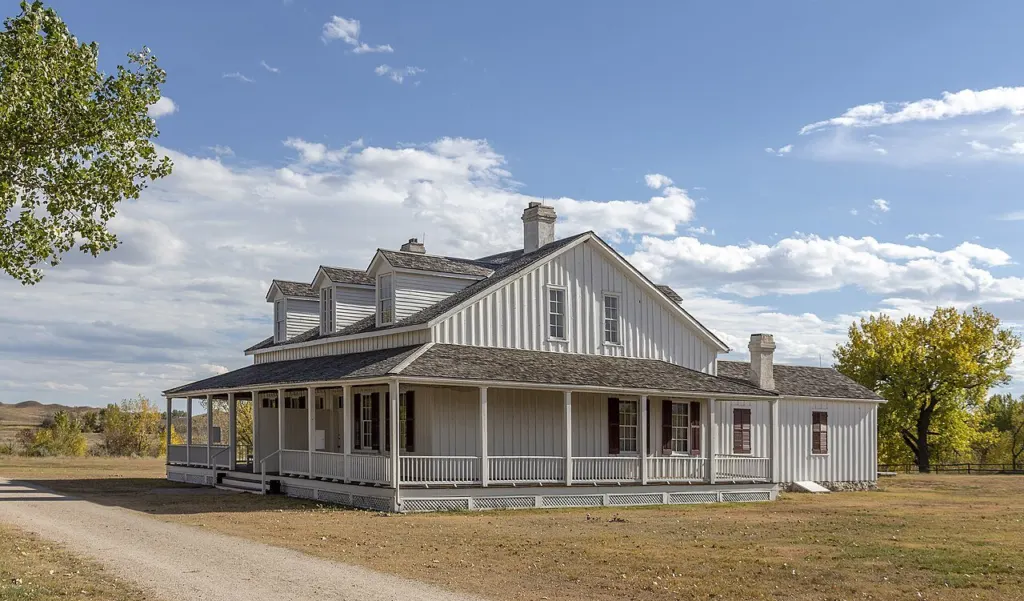
The Fort Laramie National Historic Site, the Wyoming State Archives in Cheyenne and the American Heritage Center at the University of Wyoming hold records of the forts and towns where she lived. For another Western life shaped by publicity, see our piece on Buffalo Bill Cody’s Colorado and Wyoming legacy.
Information for this story comes from Wyoming State Archives; Wyoming Newspapers digital collection (Wyoming State Library); National Park Service, Fort Laramie National Historic Site; Life and Adventures of Calamity Jane, by Herself (1896), public domain; South Dakota State Historical Society.
Add Read the West as a preferred source on Google (opens in a new tab)