 By
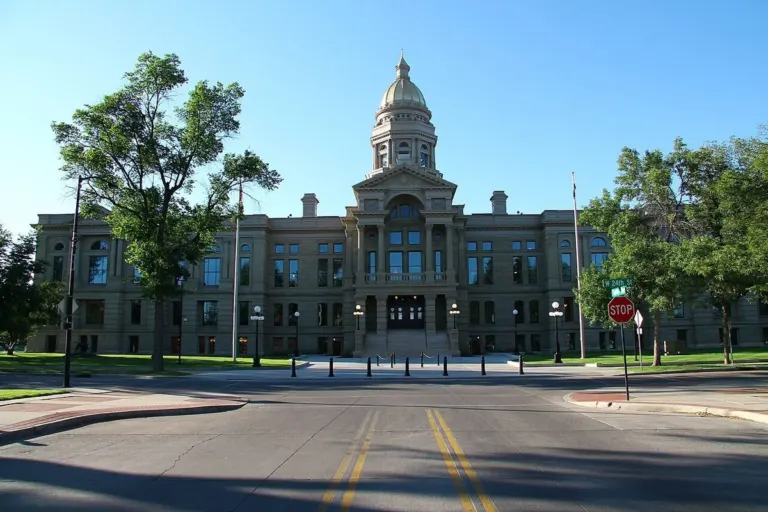
Photo: Michael Barera / Wikimedia Commons, CC BY-SA 4.0
For several years in a row, Colorado taxpayers received sizable refunds under the Taxpayer’s Bill of Rights, known as TABOR. The checks have shrunk, and the state now says there will be no general refund for tax year 2026. Here is how the system works and what changed.
How TABOR refunds work
TABOR, a 1992 amendment to the Colorado Constitution, limits how much tax and fee revenue the state may keep and spend each year. Under a later voter-approved measure, Referendum C, the limit is known as the Referendum C cap. When revenue for the state fiscal year, which ends June 30, exceeds the cap, the excess must be returned to taxpayers in a later year.
State law sets the order of refunds. First, the surplus reimburses local governments for property tax exemptions granted to seniors and disabled veterans. Next, depending on the size of the surplus, the state may temporarily lower the income tax rate. Any remaining money goes out as a “sales tax refund,” which taxpayers claim on their state income tax return.
Tax year 2025: small refunds
The surplus from the fiscal year that ended June 30, 2025, was certified at about $293 million. Almost two-thirds of it went to property tax exemption reimbursements. The rest was paid as a six-tier sales tax refund claimed on 2025 Colorado returns filed in 2026, ranging from $20 for single filers with the lowest incomes to $62 for the highest, with amounts doubled for joint filers. The year before, refunds had ranged from $177 to $565 for single filers.
The refunds are smaller partly because of new state tax credits, including an expanded Colorado earned income tax credit and a Family Affordability Tax Credit, which are counted as part of the refund obligation.
Tax year 2026: no refund
On September 8, 2026, the State Controller certified that state revenue for the fiscal year that ended June 30, 2026, fell short of the Referendum C cap by about $175.9 million, according to the Legislative Council Staff’s September 2026 forecast. That means there is no TABOR refund obligation for that year and no general refund on 2026 tax returns. The cost of the senior and veteran property tax exemptions will be paid from the General Fund instead.
What’s ahead
Legislative economists expect revenue to exceed the cap again beginning in the current fiscal year, which would bring refunds back on future returns. Forecasts change, and the final figure is not known until the following September.
How to claim a refund when one is available
Full-year Colorado residents claim the sales tax refund on form DR 0104 by checking the box in their tax software or in Revenue Online. People who file the Property Tax, Rent and Heat rebate application can receive it there.
Sources
- Colorado Department of Revenue, TABOR and TABOR refund mechanisms.
- Colorado Legislative Council Staff, September 2026 Economic and Revenue Forecast.
- Office of the State Auditor, Schedule of TABOR Revenue.