 By
Photo: KimonBerlin, CC BY-SA 2.0, via Wikimedia Commons.
The Powder River Basin of northeast Wyoming holds thick seams of low-sulfur coal near the surface, and for several decades it supplied a large share of the coal burned in American power plants. Black Thunder, south of Gillette near the town of Wright, is one of the biggest mines in the basin and has been among the most productive in the country.
The mine opened in the 1970s, after federal clean air rules made low-sulfur Western coal more attractive to utilities. Long unit trains on the BNSF and Union Pacific lines carry it to power plants across the Midwest and South.
The scale
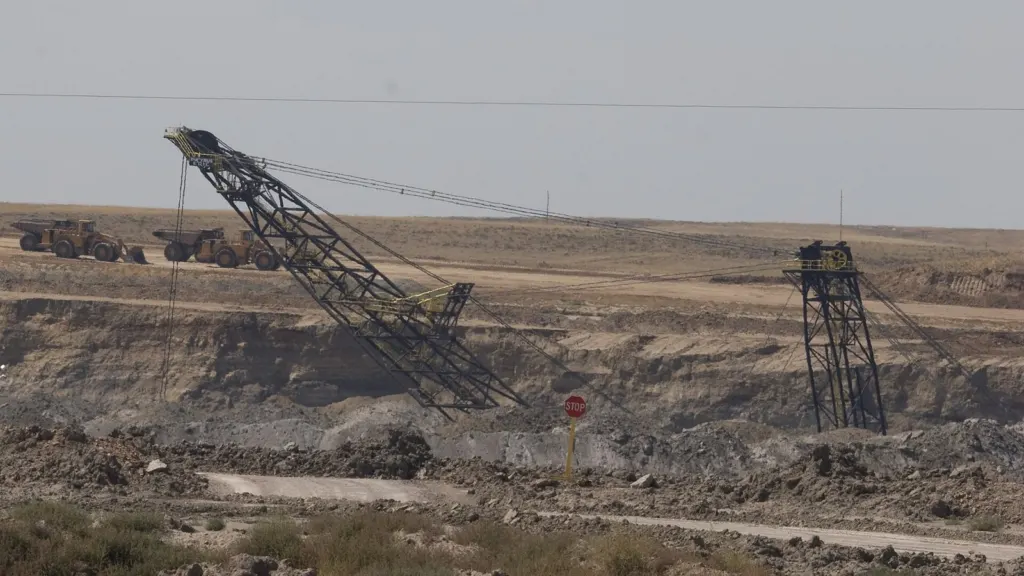
Mining here is surface work. Draglines strip the overburden and expose the coal, and huge trucks and shovels load it. The draglines are among the largest machines in the state; one at Black Thunder is called Ursa Major. Arch Resources, which owned Black Thunder, merged with Consol Energy in 2025 to form Core Natural Resources.
Why the decline matters
Wyoming’s coal production peaked around 2008 and has fallen since then as utilities have closed coal plants and switched to natural gas and renewables. The mines have had layoffs and bankruptcies, and the change is felt in Gillette, Wright and the state budget. Severance taxes, royalties and property taxes on coal pay for schools and local services, and lawmakers have spent years trying to plan for less of that money.
Campbell County’s response has included research into other uses for coal, such as carbon products, and efforts to attract new industries, but the mines are still its largest employers.
Add Read the West as a preferred source on Google (opens in a new tab)