 By
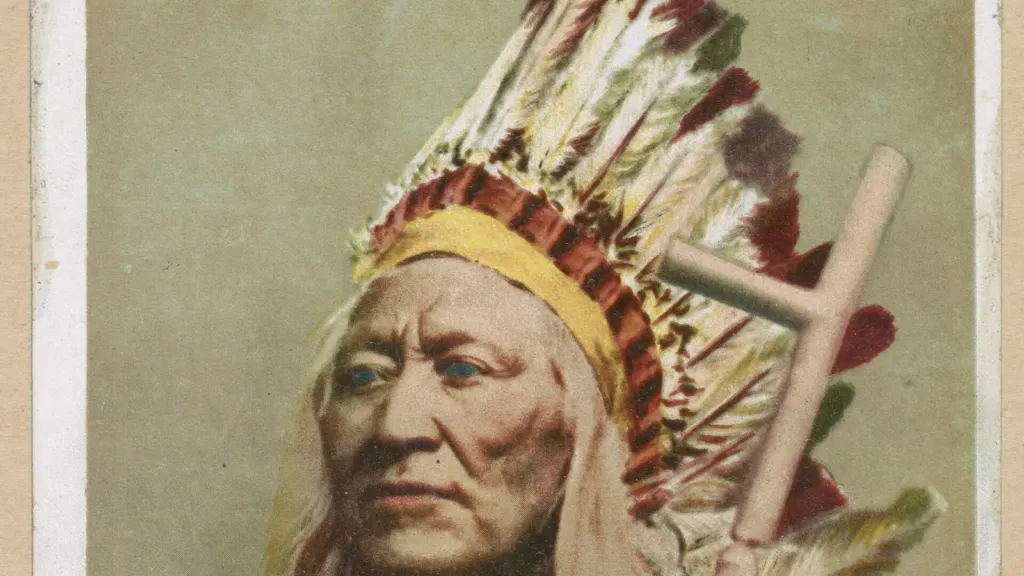
Photo: Mitchell, Edward H., publisher, public domain, via Wikimedia Commons.
Washakie was born around 1800 and became the leader of the Eastern Shoshone in the mid-19th century. His people ranged across what is now western Wyoming, hunting buffalo and trading at rendezvous with fur trappers.
As emigrant traffic on the Oregon Trail increased in the 1840s and 1850s, Washakie generally pursued peace with the Americans, while fighting rivals including the Crow, Lakota and Cheyenne. He hoped alliances would protect Shoshone land.
The treaty
In the Fort Bridger Treaty of 1868, Washakie negotiated a reservation in the Wind River Valley, land he had asked for. The Wind River Reservation remains home to the Eastern Shoshone, and since 1878 also to the Northern Arapaho, a sharing that Washakie opposed. The two tribes still share the reservation.
The Army post on the reservation was renamed Fort Washakie in 1878. Washakie and his warriors fought alongside the Army against the Lakota and Cheyenne in 1876.
Remembered
Washakie died in 1900 and was buried at Fort Washakie with full military honors. Wyoming chose him for its second statue in the National Statuary Hall Collection in Washington, unveiled in 2000. A statue also stands in Casper, and Washakie County and other places bear his name.
Today the Eastern Shoshone and Northern Arapaho govern the reservation and have their own economic development efforts, including casinos and energy development.