 By
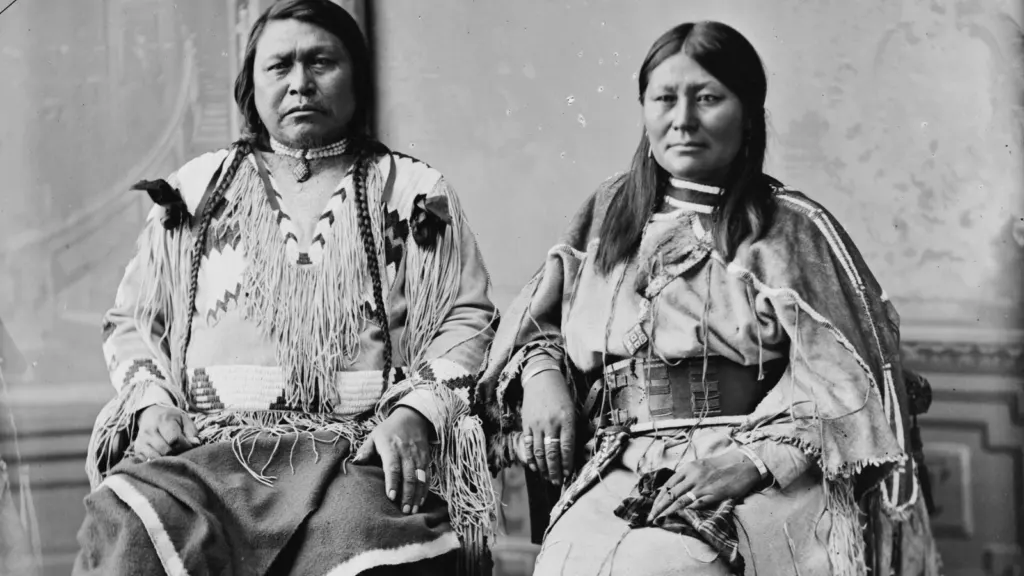
Photo: Mathew Benjamin Brady / Levin Corbin Handy, public domain, via Wikimedia Commons.
Ouray was born around 1833, probably near Abiquiu in what is now New Mexico, to a Ute father and Jicarilla Apache mother. He spoke Spanish, English, Ute and Apache, which made him a key figure in dealings with outsiders as American settlers arrived in Colorado.
He became a leader of the Tabeguache, or Uncompahgre, band of Utes. The federal government treated him as the main leader of the Utes, and he negotiated treaties in 1863 and 1868 that set aside a large reservation in western Colorado.
Losing ground
Gold and silver discoveries in the San Juan Mountains brought miners onto reservation land. In the Brunot Agreement of 1873, the Utes ceded the mining region. Ouray argued that compromise was the only way to avoid war and keep some land.
In 1879, after conflict at the White River Agency, some Utes killed agent Nathan Meeker and several employees. The Meeker incident led to calls to remove the Utes from Colorado. Ouray traveled to Washington to negotiate, but he died in 1880. The next year, most Utes were forced out to reservations in Utah, leaving only the Southern Ute and Ute Mountain Ute lands in southwest Colorado.
Memory
Ouray’s wife, Chipeta, was also respected as a peacemaker. The Ute Indian Museum in Montrose stands on land the couple farmed. The town and county of Ouray carry his name. His legacy is debated, especially among Ute people, as some saw his choices as necessary and others as too accommodating.