 By
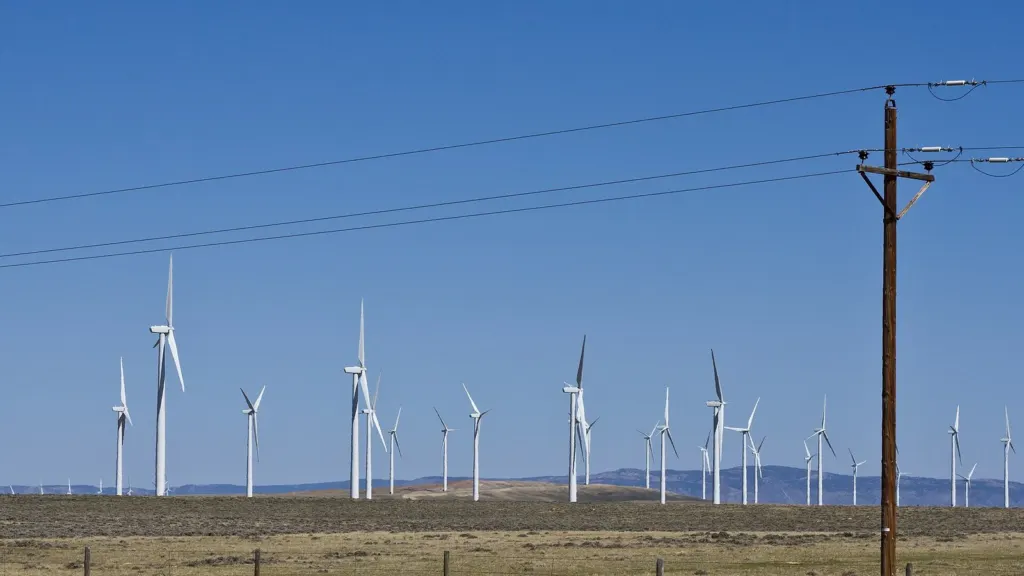
Photo: Tony Webster from Portland, Oregon, United States, CC BY 2.0, via Wikimedia Commons.
The wind across southern Wyoming is strong and steady enough to be famous, and people have been trying to make money from it for decades. In the early 1980s, the federal government and the Bureau of Reclamation tested large experimental turbines near Medicine Bow. Those prototypes did not last, but the site’s potential was clear.
Commercial wind farms arrived in the late 1990s and 2000s, many in Carbon, Albany and Converse counties. In 2010, the Legislature passed a tax on wind generation of $1 per megawatt-hour, which took effect after a three-year exemption for new turbines. Lawmakers have periodically debated raising it.
The big project
The largest project is Chokecherry and Sierra Madre, south of Rawlins, developed by the Power Company of Wyoming, an affiliate of Philip Anschutz’s company. Planned for about 1,000 turbines, it is one of the largest wind projects in North America. Most of its power is intended for customers in the Southwest, carried by the TransWest Express transmission line being built through Colorado and Utah to Nevada.
The local trade-off
Construction has brought workers and spending to Rawlins and Saratoga, along with lease payments to landowners and taxes for counties. It has also raised concerns about wildlife, especially sage grouse and eagles, and about views.
For Wyoming, wind is part of a broader effort to replace revenue lost as coal declines. Its value depends on transmission lines; much of the electricity is sold outside the state, which leaves a smaller share of the long-term benefits for Wyoming residents.
Add Read the West as a preferred source on Google (opens in a new tab)