 By
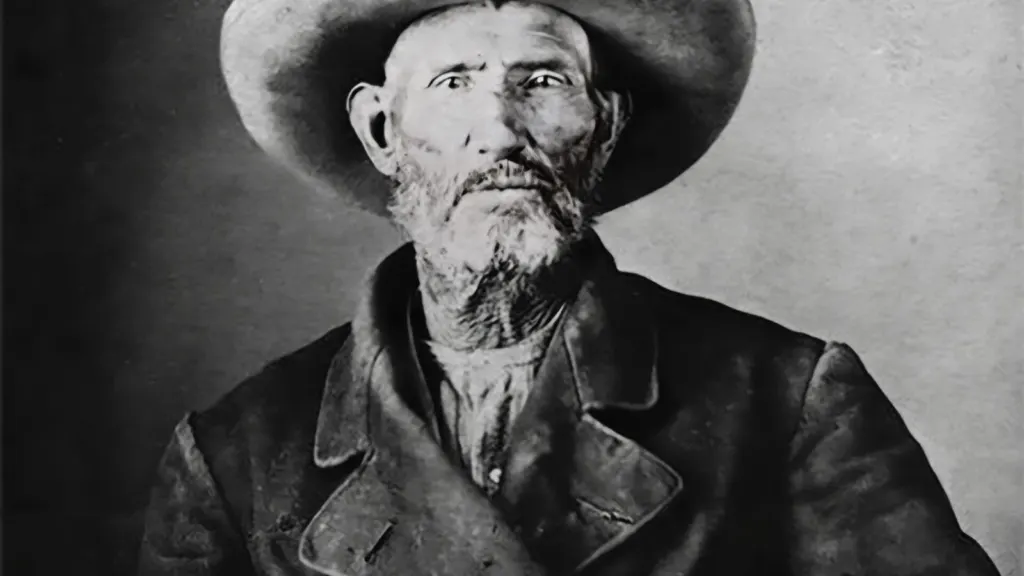
Photo: Unknown authorUnknown author, public domain, via Wikimedia Commons.
Jim Bridger was born in Virginia in 1804 and grew up near St. Louis, where he apprenticed to a blacksmith. In 1822, at 18, he joined William Ashley’s fur trading expedition up the Missouri River and spent the next two decades in the Rocky Mountains.
As a trapper he traveled widely in what is now Wyoming, Utah, Montana and Idaho. He is often credited as one of the first non-Native people to see the Great Salt Lake, in 1824 or 1825. His descriptions of Yellowstone’s geysers and hot springs were dismissed as tall tales.
Fort Bridger
When the fur trade collapsed, Bridger and partner Louis Vasquez built a trading post on Blacks Fork of the Green River in 1843. Fort Bridger became an important supply stop for emigrants on the Oregon, California and Mormon trails. In the 1850s, tension with Mormon settlers led to Bridger losing the post. The Army later used it as a military post.
Guide and scout
Bridger worked as a guide for Army expeditions, survey parties and railroad routes. He found the route through the mountains now known as Bridger Pass and established the Bridger Trail into Montana. He knew several Native languages and married Native women.
He died in Missouri in 1881. Fort Bridger is now a state historic site in southwest Wyoming, and the Bridger-Teton National Forest, Bridger Range and other places bear his name.