 By
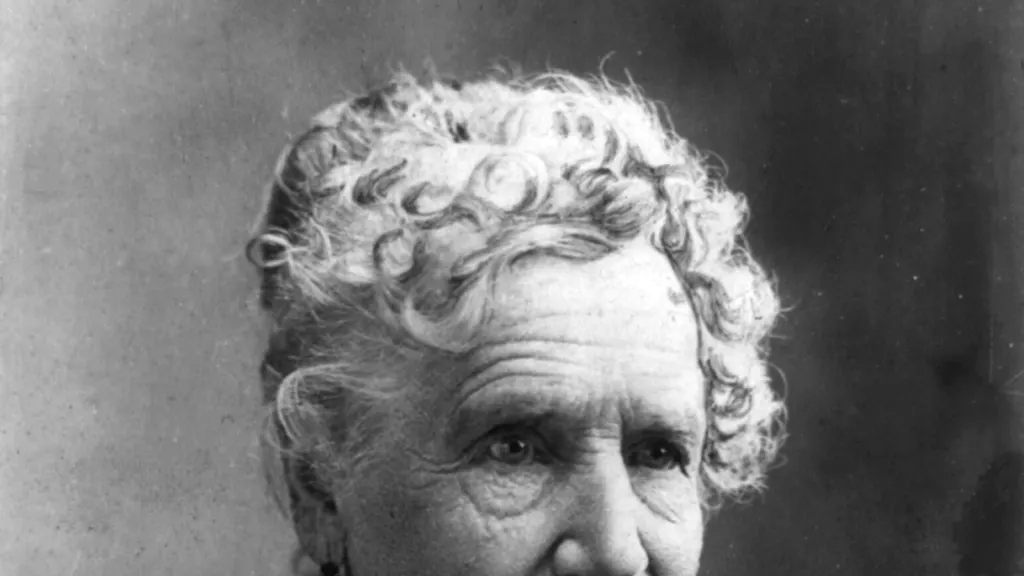
Photo: Unknown authorUnknown author, public domain, via Wikimedia Commons.
In December 1869, the first legislature of Wyoming Territory passed a law giving women the right to vote and hold office. It was the first such law in the United States, and the territory carried it into statehood in 1890, earning Wyoming the nickname the Equality State.
A few months later, Esther Hobart Morris was appointed justice of the peace in South Pass City, a gold mining town in the Wind River Range. She was 55, born in New York in 1814, and had moved west with her family. She was the first woman in the country to hold the office.
Her time on the bench
Morris served for about eight and a half months and heard several dozen cases. Accounts say none of her rulings were overturned on appeal. She did not seek reappointment.
The legend and the history
For many years Morris was credited with persuading legislator William Bright to introduce the suffrage bill, in a story about a tea party at her home. Historians have since questioned how much she had to do with it, and the details remain disputed. Her place as the first woman justice of the peace is not in question.
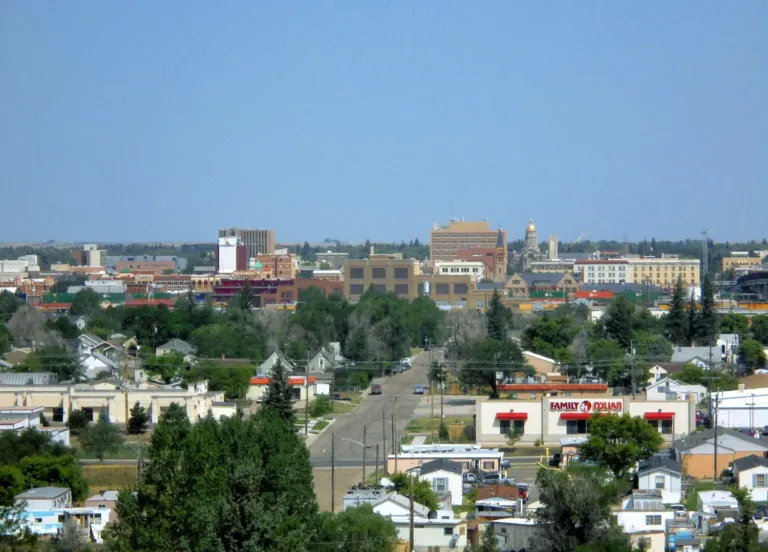
She later lived in Cheyenne and died in 1902. Wyoming chose Morris as one of its two statues in the National Statuary Hall Collection in Washington, and a copy stands in front of the State Capitol in Cheyenne.
South Pass City is now a state historic site, preserving the buildings of the gold rush town where she served.