 By
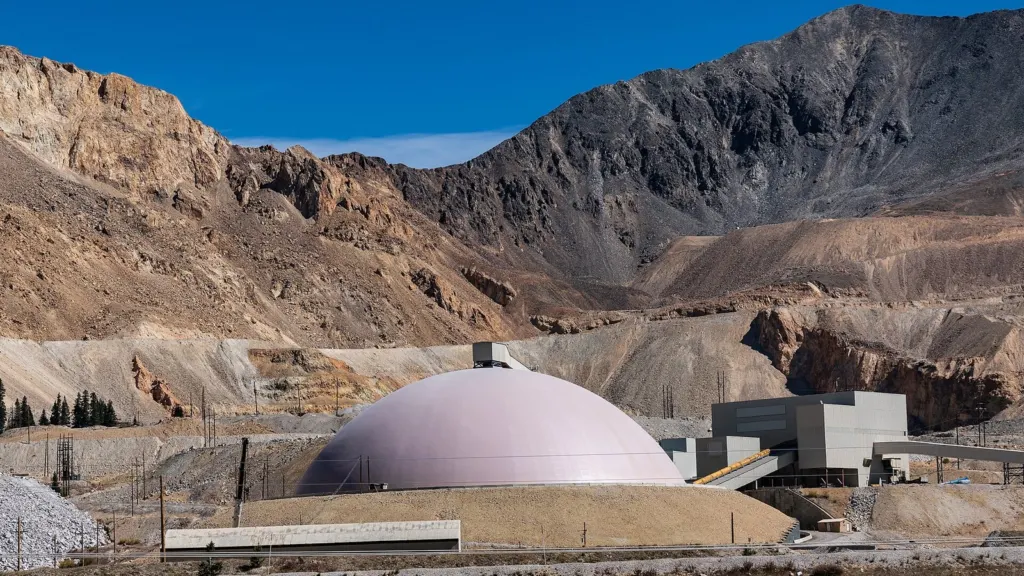
Photo: Tony Webster from Minneapolis, Minnesota, United States, CC BY 2.0, via Wikimedia Commons.
Climax sits at more than 11,000 feet on Fremont Pass, between Leadville and Copper Mountain. The ore there is molybdenum, a metal used to make steel harder and more resistant to heat. Demand for it surged during World War I, and the mine began production around 1918.
By the mid-20th century, Climax was supplying a large share of the world’s molybdenum and employed thousands of people. A company town grew up at the pass, and many workers lived in Leadville.
Closure and reopening
Molybdenum prices collapsed in the early 1980s, and Climax laid off most of its workers. The impact on Leadville was devastating; the town lost much of its population and tax base. The mine shut down entirely in the mid-1990s.
Freeport-McMoRan, which acquired the property, reopened the mine in 2012 after building a new mill. It now operates with a much smaller workforce than in its peak years, though it remains a key employer in Lake County.
Environmental work
The mine’s tailings and old workings have needed long-term cleanup, and the company has reclaimed some of the land around the pass. Water treatment is an ongoing cost because the mine sits at the headwaters of the Arkansas and Blue rivers.
Leadville now depends more on tourism, outdoor recreation and its role as a lower-cost place to live for workers in Summit and Eagle counties. Still, the mine is a reminder of the town’s history as a mining center.
Add Read the West as a preferred source on Google (opens in a new tab)